Knowledge is scattered.
People spend time finding information and explaining it again.
What we doOrganize approved knowledge into one organizational brain.
AI implementation for leaders and their teams
Your team has important work to do. OrgLayer makes AI useful for your organization: an organizational brain and practical AI collaborators built around that work, with training and implementation support so people use them.
Start within the AI tools you already use, then connect the workflows that cross people and systems.
The problem
AI can help with a task; making it useful across an organization takes context and a workable process. People may keep reconstructing the same information or copying it between tools; work may lack a clear owner. Another app can leave those headaches in place; we start with the work you want to improve and the conditions your team needs to succeed.
People spend time finding information and explaining it again.
What we doOrganize approved knowledge into one organizational brain.
Updates and reporting compete with the work people were hired to do.
What we doBuild collaborators around the recurring task.
Staff need practical guidance and space to raise concerns.
What we doTrain people on their own work and name who reviews it.
The moving structure behind this page is a concept visualization of an organization. It is not a live product and shows no client data.
A concrete example
Bring together approved program materials. Use a focused collaborator to prepare a brief with traceable sources; check missing information, then review the draft before sharing it.
The task is specific. The organization supplies the context. A person remains responsible for the final work.
Illustrative workflow. Capabilities are scoped for each implementation.
Type your own question, or tap one below. This is a working demo on a made-up community health organization; no real client data. Answers draw only from the materials listed below.
Want this working from your own materials? Bring one real question to a 30-minute conversation.
Approach
Every engagement follows the same order. The knowledge comes first and the tools second. The people who use the work stay involved from the first conversation to the handover.
Month one
Find the work worth supporting.
You haveA clear scope and a shared definition of done.
Month two
Give the work its context.
You haveA working collaborator, tested on your own task.
Month three
Make it routine.
You haveA team that runs it, and a handover that names who owns what.
Your organization decides what knowledge the AI may use and who may use it. A named person on your side reviews the output. We write both decisions down so a new hire or an auditor can read them a year later.
Where to start
A usable organizational brain and one tested recurring task, with practical support for adoption. We assess your setup first, then work inside the AI tools your team already uses.
Connect selected collaborators and tools around recurring work that crosses people or systems. Assessment, training and communication support come with it.
Both are three-month engagements and open for new clients now.
Leading a nonprofit? See the system built for leadership, grants and programs.
Differentiation
Useful AI depends on the surrounding work; people need relevant knowledge and a clear way to make decisions; they also need the support and authority to act.
OrgLayer brings Dr. Pablo Otaola's background in organizational change and leadership into practical AI implementation. We examine the problem before selecting the tools and help your team adopt the resulting way of working.
Questions
AI transformation changes how work gets done with AI. It depends on shared knowledge and clear ownership, plus people who know how to use the tools. Tools alone do not get you there. OrgLayer builds the organizational knowledge and the workflows, then trains the people who use them and checks in after launch.
Often your current ones. Teams use ChatGPT, Claude, Microsoft Copilot or Gemini. We assess the environment first and confirm what is feasible before we agree on the build.
Each engagement sets access boundaries and source references. Review responsibilities and ownership are written down. Your organization decides what knowledge the AI may use and who may use it, and we document that decision so a new hire or an auditor can read it a year later.
Bring a recurring headache or important priority; we'll discuss your current setup and whether an OrgLayer engagement is a useful fit.
The Humans
Dr. Pablo Otaola (Ed.D., Organizational Change and Leadership, USC Rossier) combines that field with practical AI implementation.
His approach examines the conditions behind recurring problems and helps leaders translate decisions into changes people can practice. OrgLayer brings that approach into organizational knowledge and supported workflows, with human consulting identified clearly where needed.

Reads how organizations really work, then designs the way out. In and with nonprofits since 2003.

Builds the controls and evidence that keep AI work audit-ready. Twenty years in technology risk.

Moves change from plan to practice. Leads workforce research and client onboarding.

Builds the agents and keeps them reliable. Works on agentic systems and distributed backends.
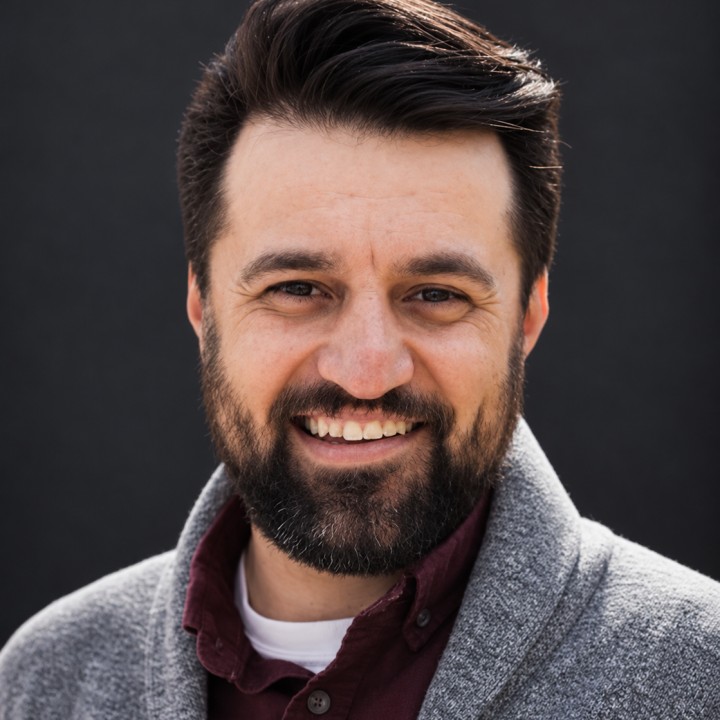
Shapes what people see and touch. Leads UI/UX and product experience across the OrgLayer platform.
Contact
Describe a recurring headache or important priority. We will discuss your setup and recommend a scope if there is a useful fit.
Please avoid including confidential staff, client, or participant information in this initial inquiry.
Please avoid including confidential staff, client, or participant information in this initial inquiry.